CDL Training Grants, Scholarships, and Other Funding Options
CDL training grants are one way to help you pay for your truck driver training, allowing you to kick off your career without the student debt that so many are stuck with.
There are many sources of funding students can use to pay for CDL training, including scholarships, employer programs, and financing options designed specifically for CDL students. Many people can fund their entire training without paying anything out of pocket.
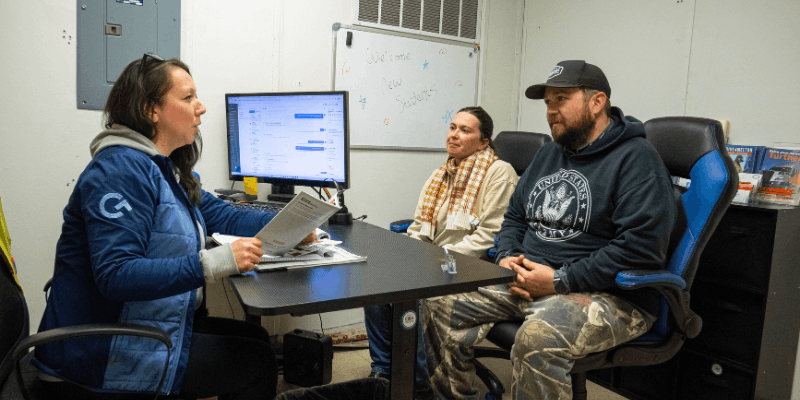
Most truck driving students have never applied for this type of financial aid before, and the process can be intimidating. Admissions counselors at truck driving schools, case managers at American Job Centers, and vocational counselors at state agencies are all available to offer help.
Are There Grants for CDL Training?
Yes. The most widely available source is the Workforce Innovation and Opportunity Act (WIOA), a federal program that funds job training for eligible adults through a network of local American Job Centers. Because truck driving is consistently identified as a high-demand occupation, CDL training is a commonly approved use of WIOA funds.
WIOA grants do not require repayment. Depending on eligibility and local funding availability, a WIOA grant can cover tuition, books, testing fees, and, in some cases, support services like transportation or childcare during training.
Who Qualifies for a WIOA Grant?
WIOA serves two main groups:
Dislocated workers who lost a job through no fault of their own, such as through a layoff or company closure. Prior income does not affect eligibility for dislocated workers, so even someone who earned a good salary before losing their job may qualify.
Income-eligible adults are generally those whose household income falls below 250% of the federal poverty level.
Veterans receive priority for WIOA services in all states.
One important rule applies to everyone: students must apply and be approved before training begins. WIOA cannot reimburse training that has already started.
How Do I Apply for WIOA Funding?
The process starts with a visit or call to the nearest American Job Center. Students can find their local center at careeronestop.org. A case manager will guide the applicant through eligibility documentation, training provider selection, and funding approval.
Working with a CDL school listed on the state’s Eligible Training Provider List (ETPL) reduces delays.
How Long Does Approval Take?
WIOA approval timelines vary by region, but most students should expect the process to take several weeks. Starting the application before choosing a school start date is strongly recommended.
Vocational Rehabilitation
State Vocational Rehabilitation (Voc Rehab) agencies help people with physical, mental, or learning disabilities prepare for and find employment. CDL training can qualify as an approved use of Voc Rehab funding when driving is a realistic career goal for the applicant.
In South Carolina, the SC Vocational Rehabilitation Department (SCVRD) serves eligible residents and connects them to training, counseling, and job placement support. Similar agencies operate in every state. Students with a documented disability, injury, or condition that creates a barrier to employment should contact their state’s Voc Rehab office to ask whether CDL training is covered under their approved services.
Do Trucking Companies Pay for CDL Training?
Some will. Employer-funded CDL training takes two forms, and the difference matters.
Paid training means a carrier covers costs upfront, typically at a company-run facility. In exchange, the driver agrees to work for that carrier for a set period, often one to two years. Leaving early usually triggers a repayment obligation.
Tuition reimbursement means the student chooses their own school, pays for training, gets hired by a carrier, and is then reimbursed over time through monthly payments. Several major carriers offer reimbursement to students.
Before signing any employer training agreement, students should clarify how long the work commitment lasts, how reimbursement is paid, what counts as a “training cost” under the agreement, and what the financial penalty is for leaving early.
Is paid training free CDL training?
No, although it is often referred to that way by trucking companies. Paid CDL training is also sometimes called company-sponsored training. It means the trucking company fronts the student the money to pay for training. If the student leaves before their debt is paid off, they’re responsible for paying the balance, depending on the terms of their agreement.
Students who secure grant or scholarship funding independently are not tied to any employer before they start training, which gives them more flexibility in where they work.
CDL Training Scholarships: Who Offers Them and How to Apply
Scholarships differ from grants in one key way: grants are typically need-based and tied to employment status. Scholarships can be need-based but are awarded based on specific criteria such as career goals, identity, or a written essay. Both are free money that does not require repayment.
Several organizations offer scholarships specifically for CDL students:
Women In Trucking Foundation awards $1,000 scholarships twice a year to women pursuing careers in trucking. Applicants submit a short essay explaining their career goals. The Foundation generally awards 15 to 20 scholarships per cycle, and previous applicants are welcome to reapply.
AllTruckJobs.com awards two $1,000 scholarships per year, one in spring and one in fall, to U.S. residents enrolled in a licensed CDL training school. The application requires a 500- to 1,000-word essay. Applications are accepted year-round.
mikeroweWORKS Foundation awards scholarships to students enrolled in trade and vocational programs, including CDL training. The 2026 application window is open from February 23 through October 31. Applicants must sign the foundation’s S.W.E.A.T. Pledge, submit two references, provide a transcript, verify school costs, and complete a short video.
GI Bill Benefits Can Cover CDL Training
Veterans, active-duty service members, and eligible dependents may be able to use VA education benefits to pay for CDL training at an approved school.
The two most used programs are the Post-9/11 GI Bill® and the Montgomery GI Bill®. Both can cover tuition and fees at VA-approved CDL schools, and the Post-9/11 GI Bill may also provide a monthly housing allowance while training is underway.
Veterans with a service-connected disability have an additional option through the VA’s Vocational Rehabilitation and Employment (VR&E) program, sometimes called Chapter 31. VR&E can fund CDL training as part of a broader rehabilitation and employment plan and may cover costs beyond tuition.
To use GI Bill benefits at a CDL school, the program must be approved by the state’s VA approving agency. CDA holds VA approval at all five campus locations. Veterans interested in using their benefits should initiate the VA verification process at least four to six weeks before their intended start date, as processing times vary.
What If Grants and Scholarships Are Not Enough? Financing Options for CDL Training
When funding does not cover the full cost of training, several financing paths are available.
In-house payment plans, offered at many schools, allow students to pay tuition in monthly installments. Most do not require a credit check.
Private loans from banks and credit unions can cover tuition gaps. Comparing interest rates across multiple lenders is important before committing.
Federal student loans are available at schools that qualify for federal financial aid programs. These carry lower interest rates than most private loans and offer flexible repayment options. Students must complete the FAFSA and attend an eligible school to be eligible for this option.
Can You Use More Than One Funding Source?
Yes, and many students do. A partial WIOA grant can be paired with a school payment plan to cover the remainder. A scholarship can reduce how much a student needs to borrow. CDA’s admissions team helps students identify which sources they qualify for and puts together a funding plan before enrollment begins.
The general approach: pursue free money first. Apply for every grant and scholarship that fits before considering loans or financing.
Where Else Can Students Look for Aid?
Students who research local sources often find programs that are not widely advertised:
- State workforce agencies distribute federal training funds and sometimes operate their own programs. Oklahoma and New Mexico, for example, have directed state funds specifically toward commercial driving programs.
- Goodwill Industries operates workforce programs in many communities and, in some areas, partners with CDL training providers to help eligible students access funding.
- Tribal education offices can fund CDL training for members of federally recognized tribes, sometimes in combination with WIOA or other grants.
- General scholarship search tools like Scholarships.com and Fastweb.com allow users to filter by trade or vocational program.
Frequently Asked Questions
Is it possible to pay for CDL school without out-of-pocket costs?
Yes. Students who qualify for WIOA grants, Voc Rehab funding, or VA education benefits regularly complete CDL training with zero out-of-pocket cost. Combining a grant with a scholarship can sometimes cover expenses beyond tuition.
Is the financial aid process hard to navigate?
It can feel overwhelming, but WIOA-approved schools work directly with American Job Centers and can help coordinate documentation and timelines. Starting early, before choosing a training start date, makes the process much more manageable.
Will I get a scholarship if I apply?
There’s no guarantee, but many scholarships go unclaimed each year simply because eligible students don’t apply. Applying to every one you qualify for costs nothing but time
What does a CDL grant cover?
WIOA grants can cover tuition, books, testing fees, and sometimes support costs like transportation. Coverage varies by local workforce board and individual eligibility. Voc Rehab and other programs have their own coverage rules.
Can I get a grant if I was laid off?
Yes. Laid-off workers are among the most approved WIOA applicants under the Dislocated Worker category. Prior income level does not affect eligibility.