Class A Vs. Class B CDL: Which Is Right For You?
Introduction
Choosing between a Class A and a Class B CDL is one of the first decisions a new driver needs to make. Each license covers different vehicles, leads to different jobs, and comes with its own training requirements. Understanding how they compare helps a driver pick the path that fits their goals.
What is a Class A CDL?
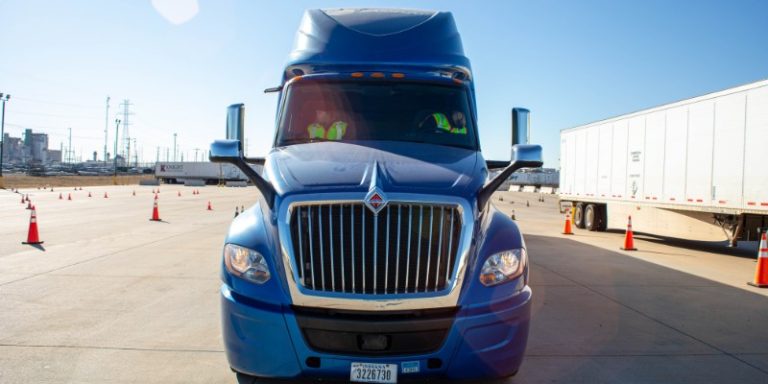
A Class A CDL authorizes a driver to operate combination vehicles with a gross combination weight rating (GCWR) of 26,001 pounds or more, where the vehicle being towed weighs more than 10,000 pounds. In plain terms, this is the license required to drive tractor-trailers and other multi-piece rigs.
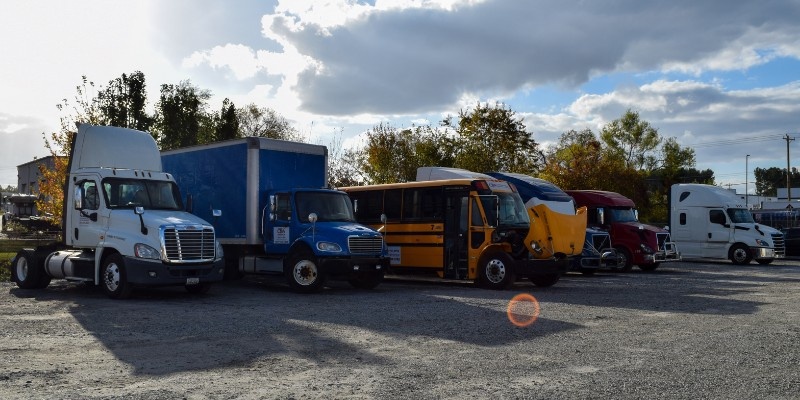
Vehicles covered under a Class A CDL include:
- Tractor-trailers (semi-trucks)
- Flatbed trucks
- Tanker trucks
- Livestock carriers
- Double and triple trailers (with proper endorsements)
A Class A CDL also allows the holder to operate Class B and Class C vehicles, making it the most flexible commercial license available. Drivers who plan to haul freight across state lines or pursue long-haul careers need a Class A.
What is a Class B CDL?
A Class B CDL covers single vehicles with a GCWR of 26,001 pounds or more, as long as the trailer being towed does not exceed 10,000 pounds. These are large, straight-body trucks where the cab and cargo area are attached as one unit.
Vehicles covered under a Class B CDL include:
- Straight trucks and box trucks
- City transit and intercity buses
- School buses
- Dump trucks
- Cement mixers
- Passenger vans (over a certain capacity, with endorsements)
Class B drivers typically work local or regional routes. This license suits drivers who prefer to stay closer to home and work more predictable hours.
Class A vs. Class B CDL: Key Differences at a Glance
| Class A CDL | Class B CDL | |
|---|---|---|
| Vehicle Type | Combination (tractor + trailer) | Single straight vehicle |
| Towed Weight | Trailer over 10,000 lbs | Trailer 10,000 lbs or less |
| Typical Jobs | OTR trucking, regional freight, tankers | Bus driver, delivery, dump truck |
| Work Schedule | Often regional or OTR; longer time away | Usually local; more predictable hours |
| Earning Range | Higher ceiling; more route variety | Competitive; varies by sector |
| Can Drive Class B? | Yes | No Class A vehicles |
Career Options and Pay
Class A CDL Jobs
Class A drivers have access to the widest range of commercial driving jobs. Over-the-road (OTR) routes, regional freight runs, flatbed hauling, and tanker operations all require a Class A. According to the Bureau of Labor Statistics’ most recent survey, the median annual wage for heavy and tractor-trailer truck drivers was $57,440 as of May 2024. Drivers in specialized roles, such as hazmat or tanker, often earn more with the right endorsements.

Class B CDL Jobs
Class B drivers work in roles such as transit bus operator, delivery driver, dump truck driver, and school bus driver. Pay varies by industry and employer. Local and regional driving schedules typically mean more time at home compared to OTR positions, which is an important lifestyle factor for many drivers.
Neither license is a better choice in absolute terms. The right answer depends on the type of work a driver wants to do and how much time away from home they are willing to accept.
Training Requirements for Each License
Both Class A and Class B CDLs require a driver to complete Entry-Level Driver Training (ELDT) from an FMCSA-registered training provider. This became a federal requirement in February 2022. ELDT includes both classroom instruction and behind-the-wheel training before a driver can take the CDL skills test.
The general steps for either license are:
- Obtain a Commercial Learner’s Permit (CLP) by passing the CDL general knowledge exam and any applicable endorsement tests
- Hold the CLP for a minimum of 14 days before scheduling the skills test
- Complete ELDT at a registered school
- Pass the CDL skills test, which includes a pre-trip inspection, basic vehicle control, and an on-road driving test
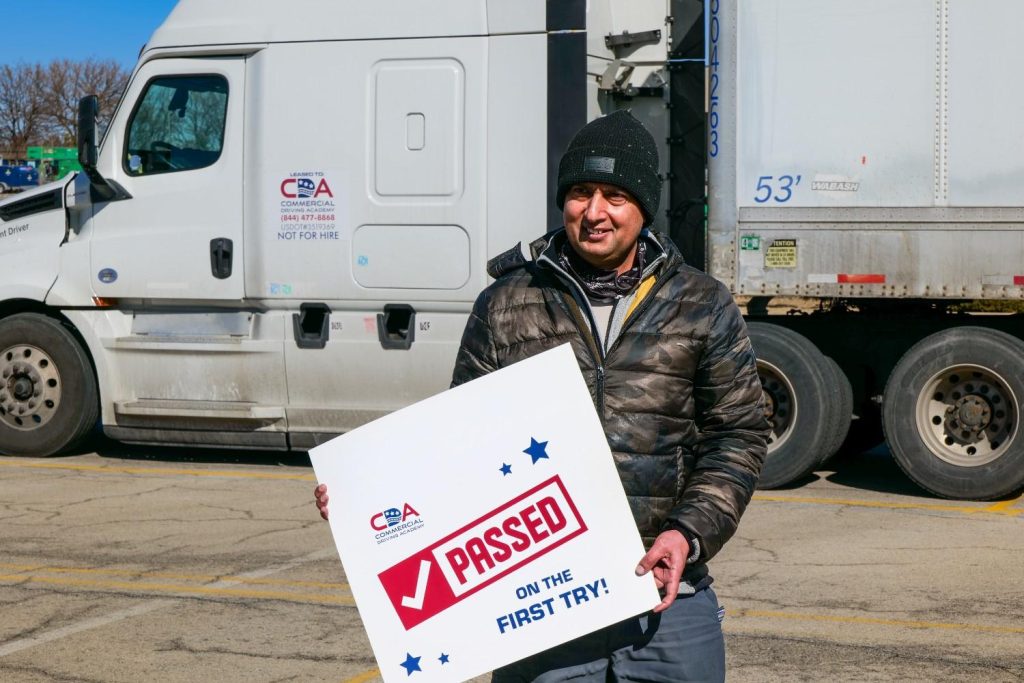
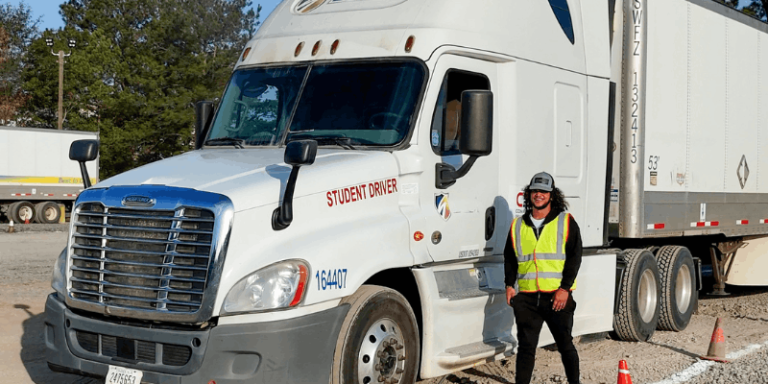
Class A training takes longer than Class B training because operating a combination vehicle is more complex. Programs at Commercial Driving Academy are designed for each license type, with hands-on practice in the actual vehicles a student will be tested on and will drive on the job.
To learn more about the requirements, check out this complete CDL training guide.
CDL Training at Commercial Driving Academy
Commercial Driving Academy (CDA) offers both Class A and Class B CDL training programs at campuses in Albuquerque, NM; Duncan, SC; Macon, GA; and Oklahoma City, OK. Training includes classroom instruction, simulator time where available, and hands-on driving practice. CDA is registered with the FMCSA to provide the required ELDT, and graduates leave prepared to sit for their CDL skills test.
For more information on which program is right for a specific situation, contact CDA directly or visit the CDL Training page.
Frequently Asked Questions: Class A vs. Class B CDL
Is a Class A CDL harder to get than a Class B?
Yes. A Class A CDL requires more training hours and a more complex skills test because combination vehicles are harder to operate than straight trucks.
How long does Class A CDL training take compared to Class B?
Class A programs typically run four to eight weeks full-time, while Class B programs generally take two to four weeks.
Do Class A and Class B CDL holders have access to the same endorsements?
No. Class A holders can add all six available endorsements, including the doubles/triples (T) endorsement. Class B holders can add five of the six but are not eligible for the doubles/triples endorsement.
Can a driver upgrade from a Class B to a Class A CDL later?
Yes. A Class B holder can upgrade to a Class A by completing additional training on combination vehicles and passing the Class A skills test.
Is a Class A CDL worth it for someone who only wants local driving work?
Yes, in most cases. A Class A gives a driver more options without limiting them to long-haul work.
Sources: Bureau of Labor Statistics, Occupational Employment and Wage Statistics, May 2024; FMCSA Entry-Level Driver Training regulations (49 CFR Part 380).