How to Become a Truck Driver with No Experience
Getting a CDL is the first step to become a truck driver, but when you lack experience, getting your first truck driving job might seem like a challenge.
But trucking companies hire new entry-level drivers every day. The industry needs qualified drivers right now, and carriers pursue both experienced and new drivers alike. With a projected 89,000 new driving jobs added by 2034 (according to the Bureau of Labor Statistics), the industry is in constant need of reliable truck drivers.
That means many carriers across the country look to recent CDL school graduates to fill some of those roles. The trucking shortage has opened doors for younger and more inexperienced drivers to start their careers.
That means opportunity for even inexperienced drivers. Here’s how to get started with a truck driving career when you don’t have years of road experience.
Step 1: Get a CDL
Which CDL Should You Get?
A Commercial Driver’s License (CDL) shows that you’ve met the high standards expected of truck drivers through both written knowledge tests and practical skills assessments.
First, decide which CDL you want to pursue. Base this decision on the type of driving that interests you most, and on your career goals.
There are three types of CDL:
Class A CDL: Drivers with Class A credentials can operate tractor-trailers, flatbeds, tanker trucks, and livestock carriers.
Class B CDL: Common Class B vehicles include delivery trucks, garbage trucks, school buses, and cement mixers. This license works well for local and regional driving jobs.
Class C CDL: Covers vehicles designed to transport 16 or more passengers (including the driver) or vehicles carrying hazardous materials requiring placards. Passenger vans, small hazmat trucks, and shuttle buses fall into this category.
Basic CDL Training Requirements
To qualify for CDL training you must:
- Have a valid driver’s license without suspensions
- Be at least 18 years old (21 for interstate driving)
- Have a Social Security card
- Pass a DOT physical examination and drug screening
Step 2: Beginning Training and Getting Your CDL
Finding the Right CDL School or Training Program
To become a truck driver, FMCSA regulations require you to enroll in a truck driver training program that is compliant with Entry-Level Driver Training requirements. If you can’t figure out whether a school is ELDT compliant, drop them from consideration.
Other traits of a good truck driving school include:
- ELDT compliance
- Modern equipment
- Experienced instructors
- Job placement assistance
In particular, CDL schools with carrier partnerships can connect graduates to employers quickly, helping them gain their first trucking experience with jobs right out of school.
Once you decide on a school, get signed up and start training.
Obtaining Your Commercial Learner’s Permit (CLP)
You receive a Commercial Learner’s Permit (CLP) after passing the written portion of the CDL exam. Once you have a CLP, you can practice driving trucks with a licensed CDL holder.
Don’t worry about trying to get a CLP before you start your truck driver training program: most reputable truck driving schools will make getting your CLP part of the training program.
Passing the CDL Exam
Once you complete your CDL training program, passing the CDL is the last step before you’re ready to pursue trucking jobs.
The skills test consists of three parts:
- Vehicle inspection: identify components and explain their function
- Basic control skills: demonstrate backing, parking, and maneuvering in confined spaces.
- Road test: Evaluates your driving skills in traffic conditions.
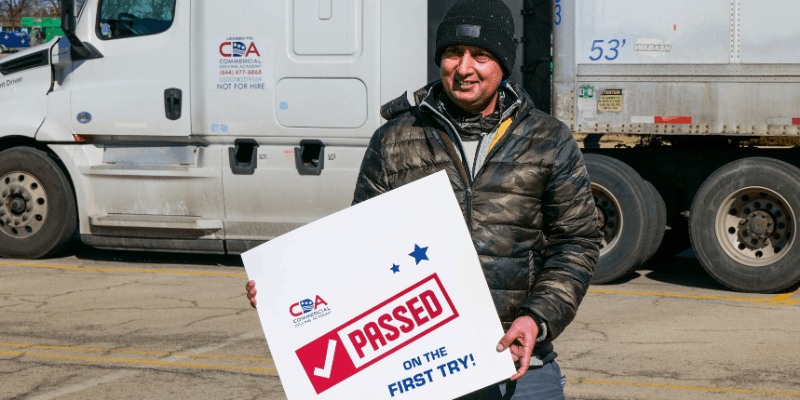
Once you pass the CDL exam, you are licensed and able to pursue truck driving jobs.
Step 3: Find Companies That Hire New CDL Drivers
Many major carriers actively recruit drivers fresh out of CDL school. These companies understand the industry’s need for new talent and have structured programs to help beginners gain experience and earn solid pay from day one.
Covenant Transport – Based in Tennessee, Covenant Transport continuously hires warehouse workers, owner/operators, and fleet managers.
Eagle – Based in North Carolina, Eagle employs more than 1,100 workers and specializes in transporting petroleum and chemical products.
Maverick Transportation – A leader in the open deck trucking industry, Maverick hires both experienced and entry-level truck drivers.
Reeves – A South Carolina-based construction company, Reeves hires drivers to operate construction equipment.
Roehl – Roehl hires recent CDL school graduates, experienced drivers, and owner operators.
Schneider – Operating across the U.S., Schneider is one of the leading transportation companies offering logistics solutions and premier truckload transportation.
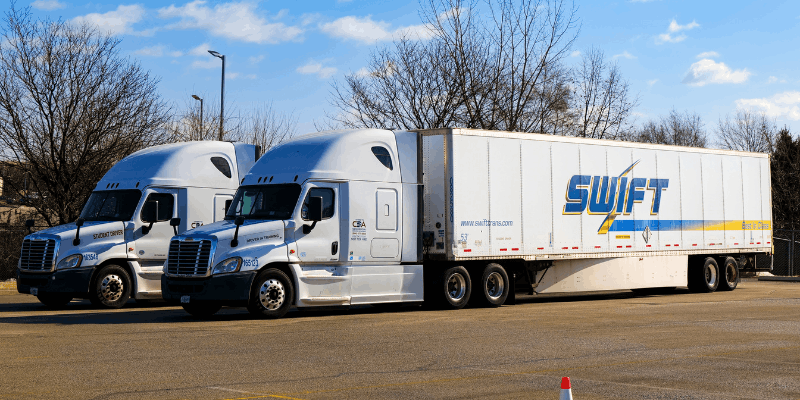
Swift Transportation – One of the largest carriers in the US, Swift Transport operates out of more than 40 locations across the U.S. and Mexico.\
TMC – An employee-owned company, TMC is a leader in flatbed trucking and logistics services, headquartered in Des Moines, Iowa.
TransForce – TransForce is a national driver recruitment, staffing, safety and compliance company offering transportation industry solutions to carriers.
Waste Management – A provider of comprehensive waste collection services, Waste Management hires drivers across the country.
Werner Enterprises – Werner specializes in freight shipping and logistics management, with decades of experience in the industry.
Step 4: Apply for Truck Driving Jobs
The most important part of the process is getting hired and building driving experience. Truck driving school graduates have secured positions across sectors including:
- Over-the-Road (OTR) Trucking: Graduates seeking higher earning potential and extensive territory coverage, OTR positions with national carriers offer competitive pay.
- Regional Trucking Routes: Regional positions provide a balance between income and home time. Most regional drivers operate within a multi-state area and return home weekly or bi-weekly.
- Local Delivery & Distribution: Local CDL jobs allow drivers to be home every night while earning a solid income. These positions often involve food service, beverage distribution, or less-than-truckload (LTL) freight.
Don’t expect to grab one of the more in-demand trucking job right out of the gate. Build experience through any job you’re able to get as you’re starting out.
When applying for jobs, cast a wide net. Apply to every carrier available: as is the game of odds, the more carriers you apply to, the more likely you will land a position. Even if you don’t believe you’ll land the job, apply anyway.
Reach out to the larger carriers- While many people prefer to work for smaller companies that allow for more freedom when just beginning, a mega carrier may get your foot in the door.
Truck Driving Company Recruiters
Recruiters from trucking companies often visit trucking schools to find promising new drivers and encourage them to apply for jobs with them. A recruiter is your first and main contact with carriers, so speak with as many as you can during your training program.
Work with your school’s career services department to learn when recruiters will be on campus and to set up an introduction.
Using Gig Work as Driving Experience
Local delivery companies and restaurant suppliers often hire drivers with minimal experience. These positions offer daily home time and substantial city driving practice.
Of course, the primary goal for many drivers is to land that steady job driving tractor-trailers long haul. While this is a great goal, you may have to work through a few other positions first before you.
There are many opportunities with carriers that don’t just utilize tractor-trailers. Explore employment with
- Construction companies
- Delivery services
- Local Highway Departments
- Smaller local trucking companies
Any of these can help you get your career started and be a great first step to help you build experience and ultimately land that dream trucking job.
Conclusion
Landing your first CDL job with no experience is completely achievable when you follow the right path. Your first year will challenge you, but it builds the foundation for a stable, well-paying career.