Keep Your Job While You Train for a CDL
Quitting a job to go to truck driving school can feel risky, especially when it means giving up paychecks for a few weeks. Commercial Driving Academy built an evening training path available on two campuses for people in that exact spot. You don’t have to sacrifice your job while you take steps towards a better career!
Training for a CDL While Still Working
Evening classes are built for students who are still working a day job. The Class A CDL training program describes this as a “Flexible Training Options” schedule, sometimes called the “8 to 8” window, because class and truck time can fall anywhere in that daily span depending on a student’s needs. It is not a shortened program; it is the same training, just arranged around a work shift instead of against it.
Evening Class Schedule
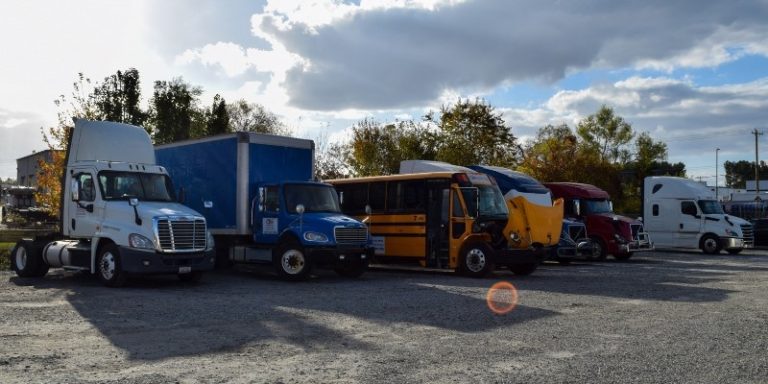
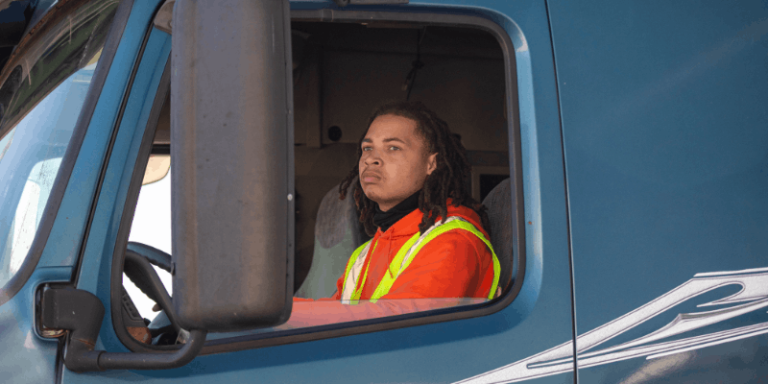
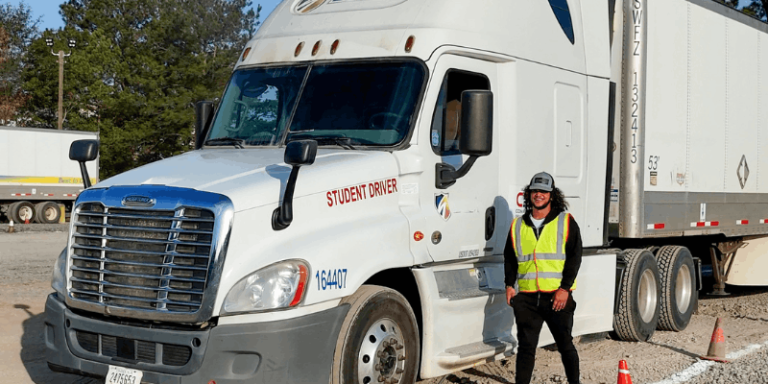
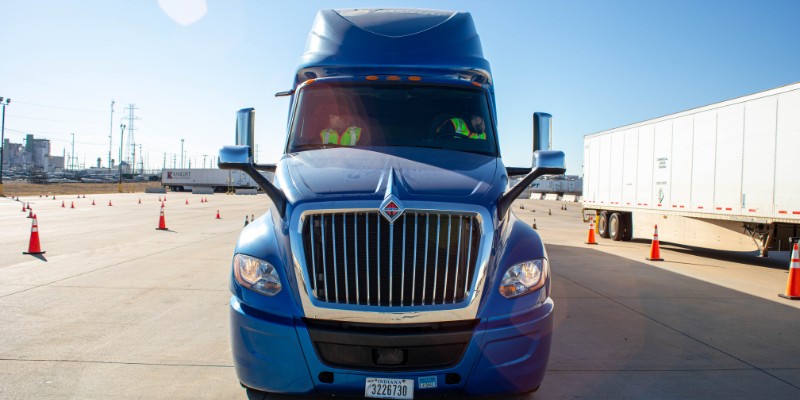
The evening block runs from 4 PM to 8 PM. It is available at Duncan, South Carolina and Macon, Georgia campuses. With this evening block schedule, a student working a 7 AM to 3 PM shift could clock out, grab a quick meal, and be in the training yard by 4 PM.
These campuses offer both evening Class A and Class B programs. Someone deciding between the two license types can compare them directly in CDA’s Class A vs. Class B breakdown, which lays out the job types and opportunities each one leads to.
Program Length
Class A
Training runs four weeks full time, or 160 hours, whether a student attends during the day or in the evening. Adding an endorsement, which is an add-on qualification like hazmat that expands the jobs a driver can take, stretches total training to five to five and a half weeks.
Class B
Training runs two to four weeks on the same evening or daytime schedule. Full details on both programs, including what each week covers, are on CDA’s CDL training page.
These timelines don’t shrink because a student is working evenings instead of days. Evening students don’t miss any instruction the daytime students get; both groups graduate with the skills employers look for!
What to Confirm Before Enrolling as a Working Student
A few details matter more once a job is part of the picture. Only two campuses currently run the evening block, so a daytime schedule is required at Oklahoma City or Albuquerque locations. The 4 PM to 8 PM window is also fixed, so a job that runs past 4 PM would need a shift change or an earlier start time to make the class work.
CDA’s admissions process runs in five steps: application and interview, paperwork, review, orientation, and the course start date. Classes begin every Monday, which gives working students room to time a start date around a notice period or a slower stretch at work.
Anyone with questions about a specific campus or a shift that overlaps with class time can raise them directly during the admissions process, before committing to a start date.
Next Step
Anyone holding down a job who plans to change careers should get the specifics for their own schedule and campus before deciding. Request more details from Commercial Driving Academy to find out which classes fit around a specific work schedule.
Frequently Asked Questions
Does the evening schedule cost more than daytime training?
No. Tuition is based on the program, not the time of day a student attends.
How long is Class A training if someone adds an endorsement?
Base Class A training is four weeks. Adding an endorsement extends total training to five to five and a half weeks.
Which CDA campuses offer evening classes?
The Duncan and Macon campuses currently offer the 4 PM to 8 PM block.
When do new classes start?
Classes start every Monday, giving working students some choice in timing a start date around a job.